
Quick answer
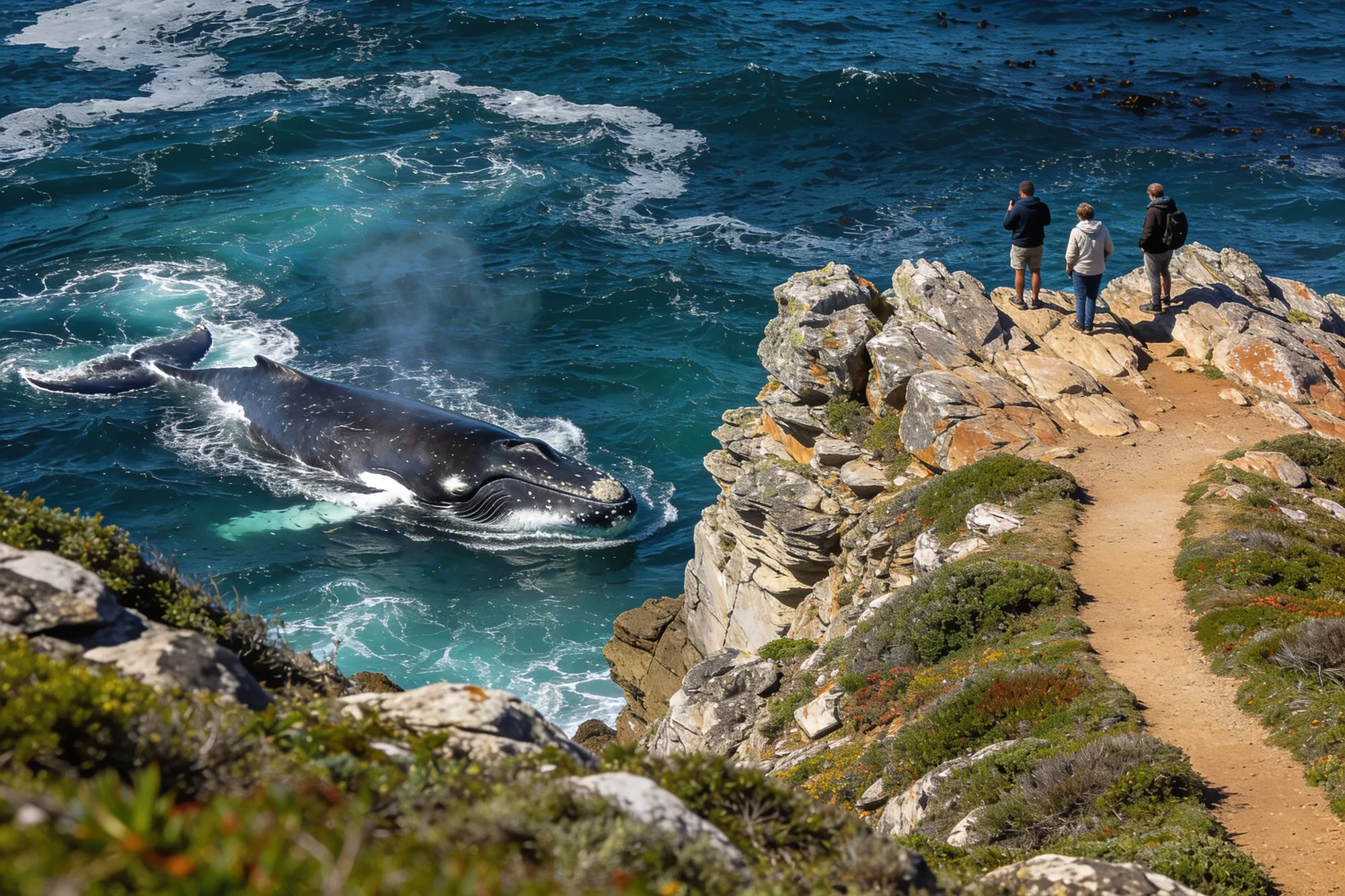
You can see whales in Hermanus from June through November, with September and October offering the highest concentrations of southern right whales. The season peaks when calving females gather in Walker Bay, often visible from the Cliff Path at distances as close as 50 meters. Early June sees the first arrivals; by late November most have begun the return migration to Antarctic feeding grounds.
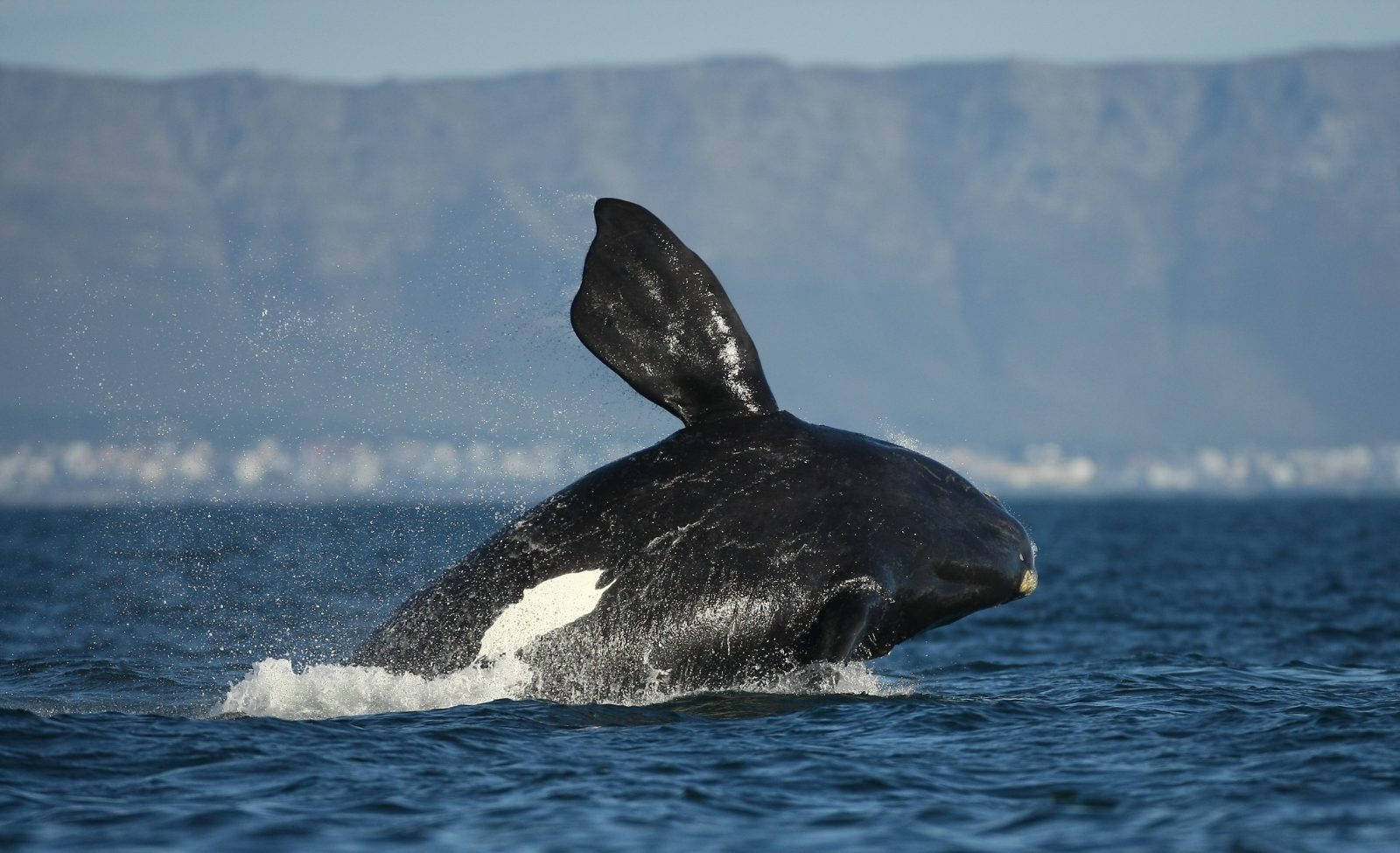
Southern right whales travel over 4,000 kilometers from Antarctic waters to the shallow bays along South Africa's southern coast, and Hermanus marks the midpoint of this annual corridor. The species earned its name from 19th-century whalers who considered it the "right" whale to hunt—slow-moving, buoyant when dead, rich in oil—but that same behavior now makes it the easiest cetacean to observe from land. Unlike humpbacks or orcas, southern rights linger in nearshore waters for weeks at a time, resting, nursing calves, and engaging in courtship displays visible without binoculars. The Hermanus whale watching season begins in early June when scout males arrive, followed by pregnant females seeking calm, predator-free calving zones. Walker Bay's configuration—a broad, shallow basin sheltered by rocky headlands—creates an ideal nursery. Water temperatures here range between 12°C and 16°C, warmer than the open Atlantic and free of the strong currents that stress newborn calves. By mid-August, cow-calf pairs dominate sightings, the mothers teaching their young to breathe, breach, and navigate. September and October form the statistical peak, with daily counts from the Old Harbour occasionally exceeding 100 individuals. During these weeks, the Cliff Path offers near-guaranteed sightings between 7:00 and 18:00, the span of optimal daylight. Mid-November marks the migration's reversal. Calves have gained enough blubber to survive the journey south, and the whales begin departing in loose aggregations. By December, only stragglers remain—typically juveniles or late-season mothers whose calves were born after the main cohort. The Hermanus coast returns to its winter baseline: seals, dolphins, and the occasional Bryde's whale, but the southern rights have gone. Understanding this cycle shapes every decision about when to book, where to stand, and what to expect from the sea.
“Walker Bay's shallow, sheltered basin creates an ideal nursery, with water temperatures between 12°C and 16°C that calm newborn calves.”
Operating Hours for Viewing When You Can See Whales in Hermanus
The public cliff paths in Hermanus are accessible 24 hours a day, allowing visitors to walk the coastline at any time. For optimal whale spotting, we recommend arriving during daylight hours.
| monday | 00:00–23:59 | |
|---|---|---|
| tuesday | 00:00–23:59 | |
| wednesday | 00:00–23:59 | |
| thursday | 00:00–23:59 | |
| friday | 00:00–23:59 | |
| saturday | 00:00–23:59 | |
| sunday | 00:00–23:59 |
Getting to Hermanus: How to Travel When You Can See Whales
Hermanus is located approximately 120 kilometers southeast of Cape Town along the Whale Coast. Driving remains the most direct method to reach the cliff paths for whale observation.
N2 highway via Somerset West and Sir Lowry's Pass
Intercity coach services from Cape Town to Hermanus station
Private transfer or shuttle from Cape Town International Airport
Best Vantage Points When You Can See Whales in Hermanus
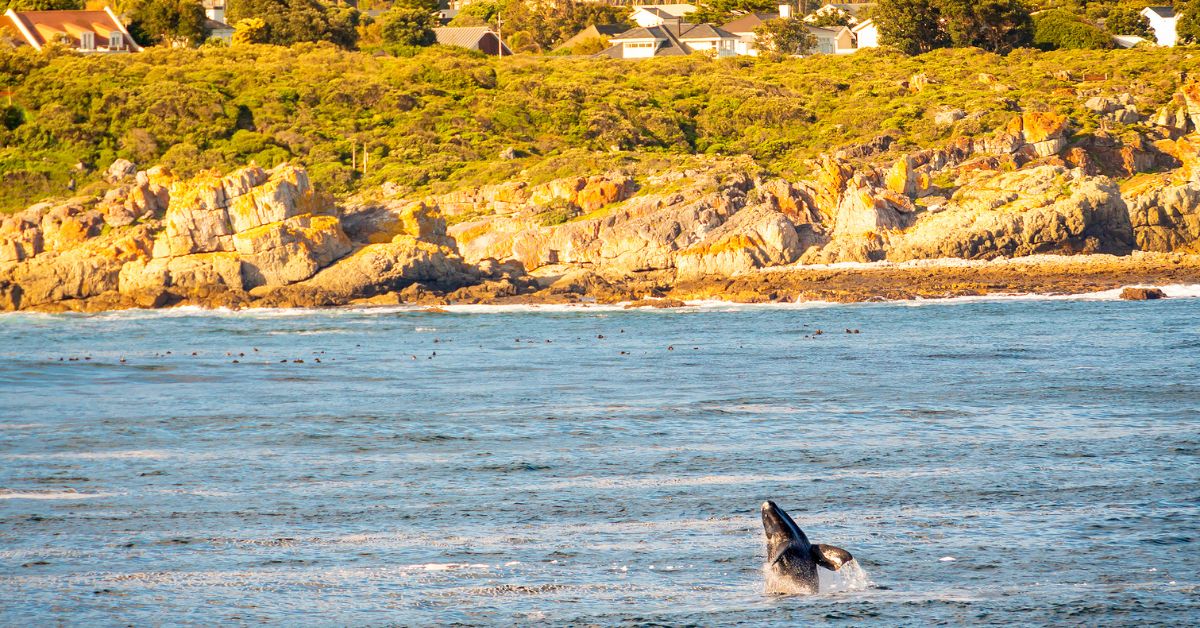
Sievers Point
Elevated vantage point offering a wide panoramic view of Walker Bay, ideal for tracking whale movement.
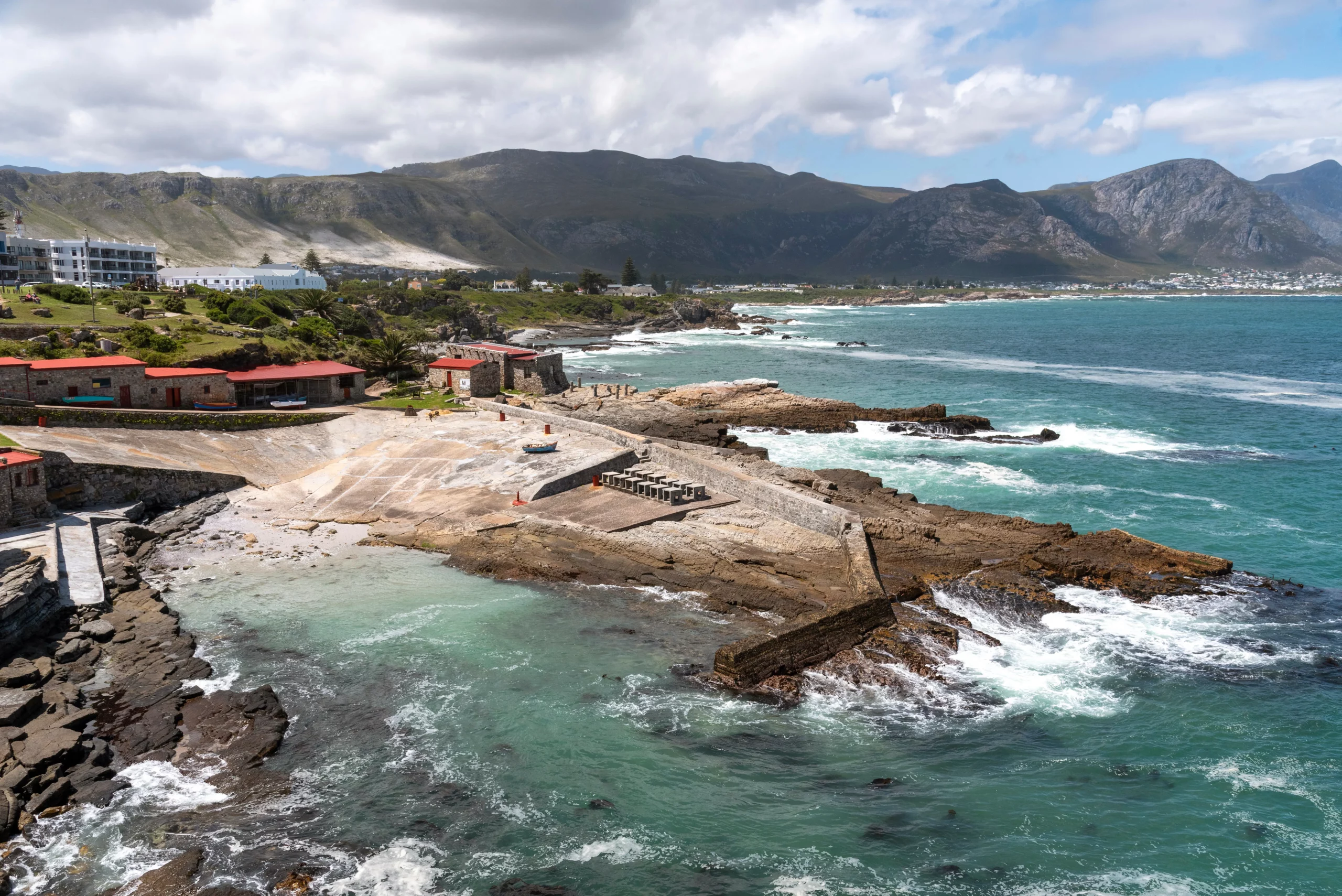
Old Harbour
Historical stone wall area providing close proximity to the water with tiered seating benches.
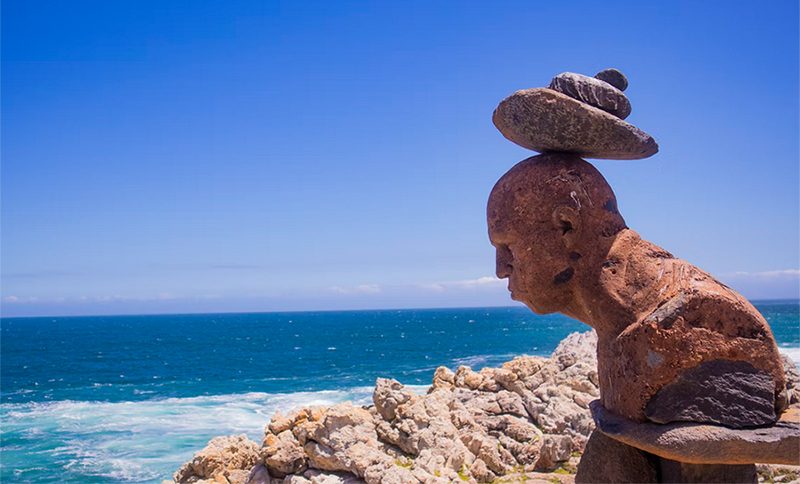
Gearing’s Point
Raised coastal platform featuring art installations and unobstructed sea views for photography.
Kwaaiwater
Rocky lookout section known for deeper waters where whales often breach near the shore.
Insider Tips for When You Can See Whales in Hermanus
Effective whale spotting requires careful preparation and an understanding of how to behave around marine life.
Binoculars and wind protection
Bring high-quality binoculars to distinguish between whale species and carry a windproof jacket as coastal temperatures drop rapidly. These items allow you to remain comfortable on the cliff path for extended periods during the best arrival window.
Follow the whale crier
Listen for the kelp horn blown by the local whale crier to signal recent sightings. This traditional method remains the most reliable way to locate whales currently active in the bay.
Practice patience and stillness
Whales often remain submerged for several minutes, so choose a stable vantage point and scan the water slowly. Avoid rapid movements that can distract other spotters and keep your focus on breaches or tail slaps.
Respect marine distance
If you head out on the water, ensure your operator maintains the legal distance of 300 meters from whales. Never attempt to approach or feed marine mammals, as this disrupts their natural feeding and migration behaviors.
Check the sea conditions
High wind and swell levels can make spotting difficult even during the peak season. Consult local wind forecasts before heading to the coast to ensure visibility is high enough to see surface activity.
Check availability
Frequently asked questions: When can you see whales in Hermanus
Everything you need to know about when can you see whales in hermanus