
Quick answer
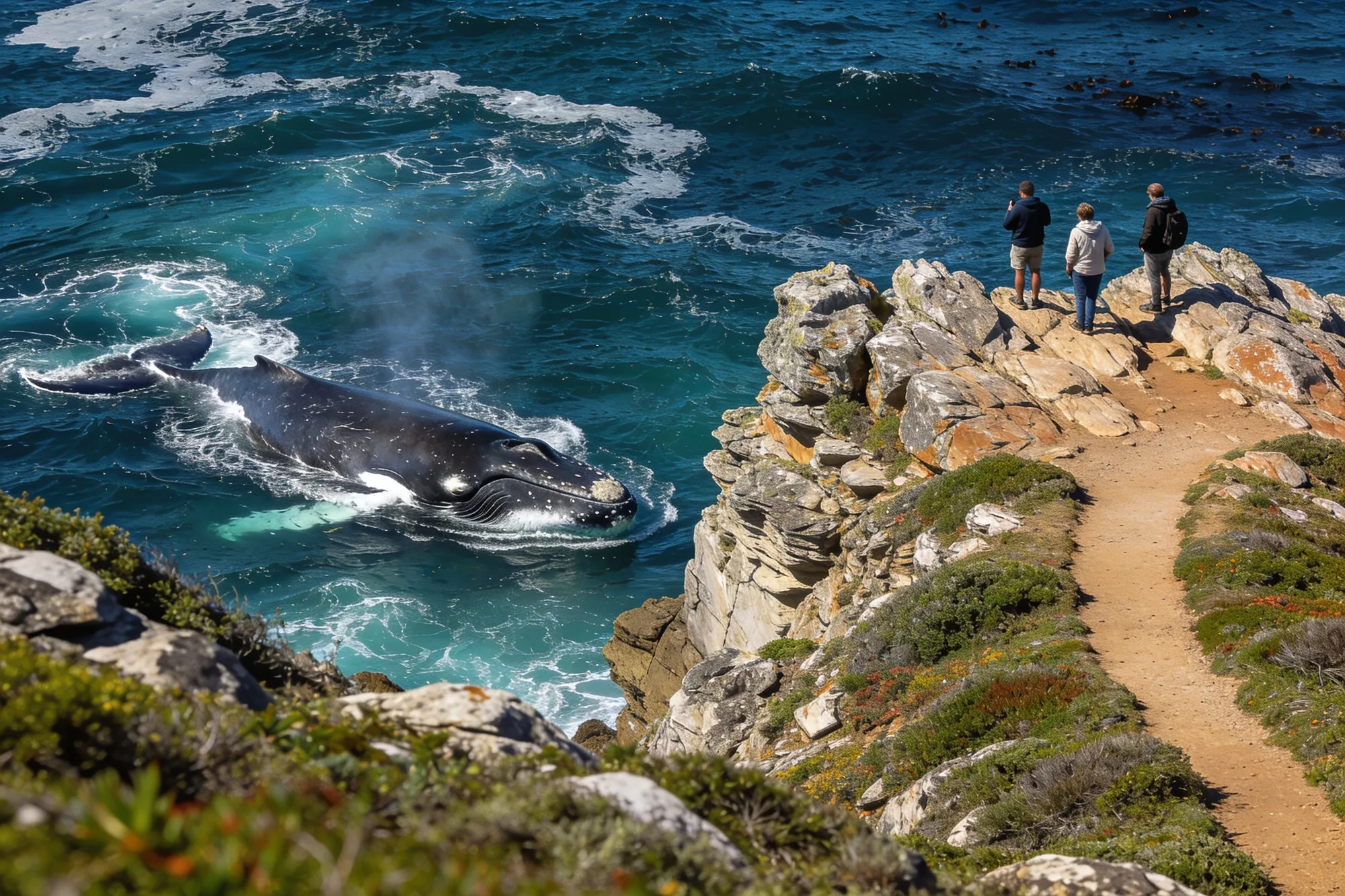
The Cliff Path in Hermanus provides the best land-based whale viewing in South Africa, stretching 12 kilometers from New Harbour to Grotto Beach. Southern right whales favor Walker Bay's shallow, sheltered waters from June through November, often swimming within 50 meters of the rocky shore. The path is free to access and open year-round, with designated viewing decks at Gearing's Point, Die Gang, and Kraal Rock offering unobstructed sightlines across the bay.
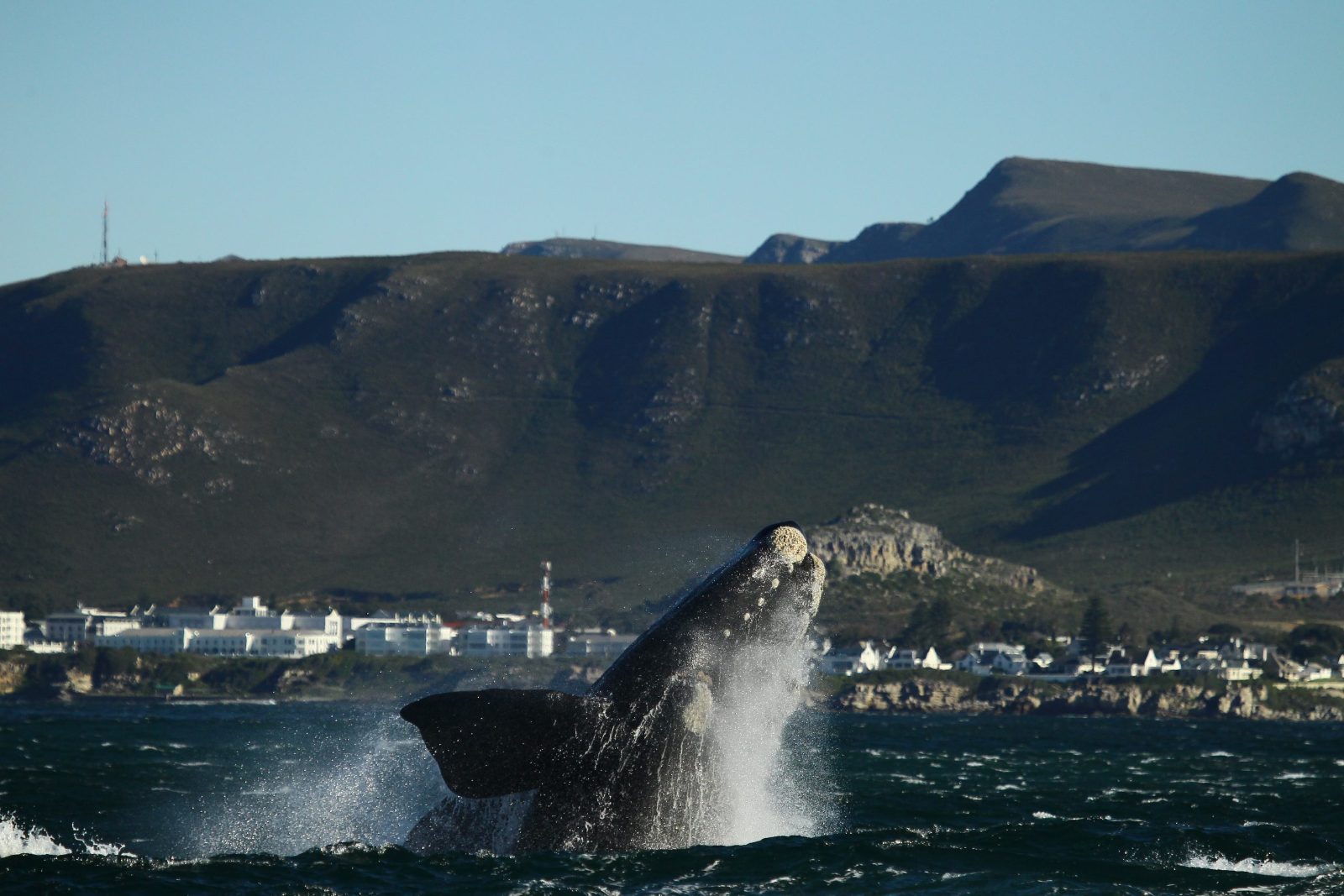
Southern right whales return to Walker Bay each winter to calve and nurse in water so calm that researchers can identify individuals by their callosity patterns from the shore. The species was hunted to near-extinction by 1935, with fewer than 300 individuals surviving in South African waters. Today the population exceeds 4,000, and Hermanus documents more mother-calf pairs per season than any other coastal town on the continent. The Cliff Path was originally a footpath connecting fishing villages in the 1800s. Municipal planners paved and extended it in the 1950s, installing benches and interpretive plaques at intervals where the geology of the coastline creates natural amphitheaters. Walker Bay's configuration—a wide, shallow embayment protected by a granite headland—produces the wave conditions southern right whales require for mating displays and calf-rearing. Water depth rarely exceeds 15 meters within 100 meters of shore, allowing whales to rest vertically with their heads submerged and tails breaking the surface, a behavior called logging. Gearing's Point, midway along the western section of the path, sits 8 meters above mean high water and offers a 180-degree view of the bay. Die Gang, a narrow cleft in the cliffs near the Old Harbour, funnels whale vocalizations upward, and visitors report hearing blow exhalations from 200 meters offshore on windless mornings. Kraal Rock, at the eastern terminus, marks the transition from rocky shore to the sand flats of Grotto Beach, where whales occasionally strand-feed on krill pushed into the shallows by tidal currents. The path itself is paved or compacted gravel for its entire length, wheelchair-accessible in the central 5-kilometer stretch, and maintained by the Hermanus municipality year-round. Hermanus employs the world's only whale crier, a position created in 1992 to alert pedestrians to whale sightings via a kelp horn. The crier patrols the central section of the Cliff Path between 09:00 and 16:00 during peak season and updates a chalkboard at the Old Harbour with the day's sighting count and locations. Binoculars improve the experience but are not necessary; breaching whales are visible to the unaided eye from every viewing deck when animals are present.
“Walker Bay's shallow configuration allows southern right whales to rest vertically with their heads submerged and tails breaking the surface—a behavior called logging.”
Admission Costs for Where to See Whales in Hermanus
Access to the coastal whale watching locations in Hermanus is provided via the public Cliff Path. There are no entrance fees or ticket tiers required to walk this trail.
A typical adult pays 0 ZAR to access the Cliff Path, as there are no admission costs associated with viewing whales from the shoreline.
Getting to the Best Locations Where to See Whales in Hermanus
Hermanus is located along the southern coast of the Western Cape, approximately 120 kilometers from Cape Town. The most efficient approach for visitors is by car via the R44 coastal route or the N2 highway.
N2 highway from Cape Town via R43
R44 coastal route via Gordon's Bay
Private transfer from Cape Town International Airport
Top Viewpoints Where to See Whales in Hermanus
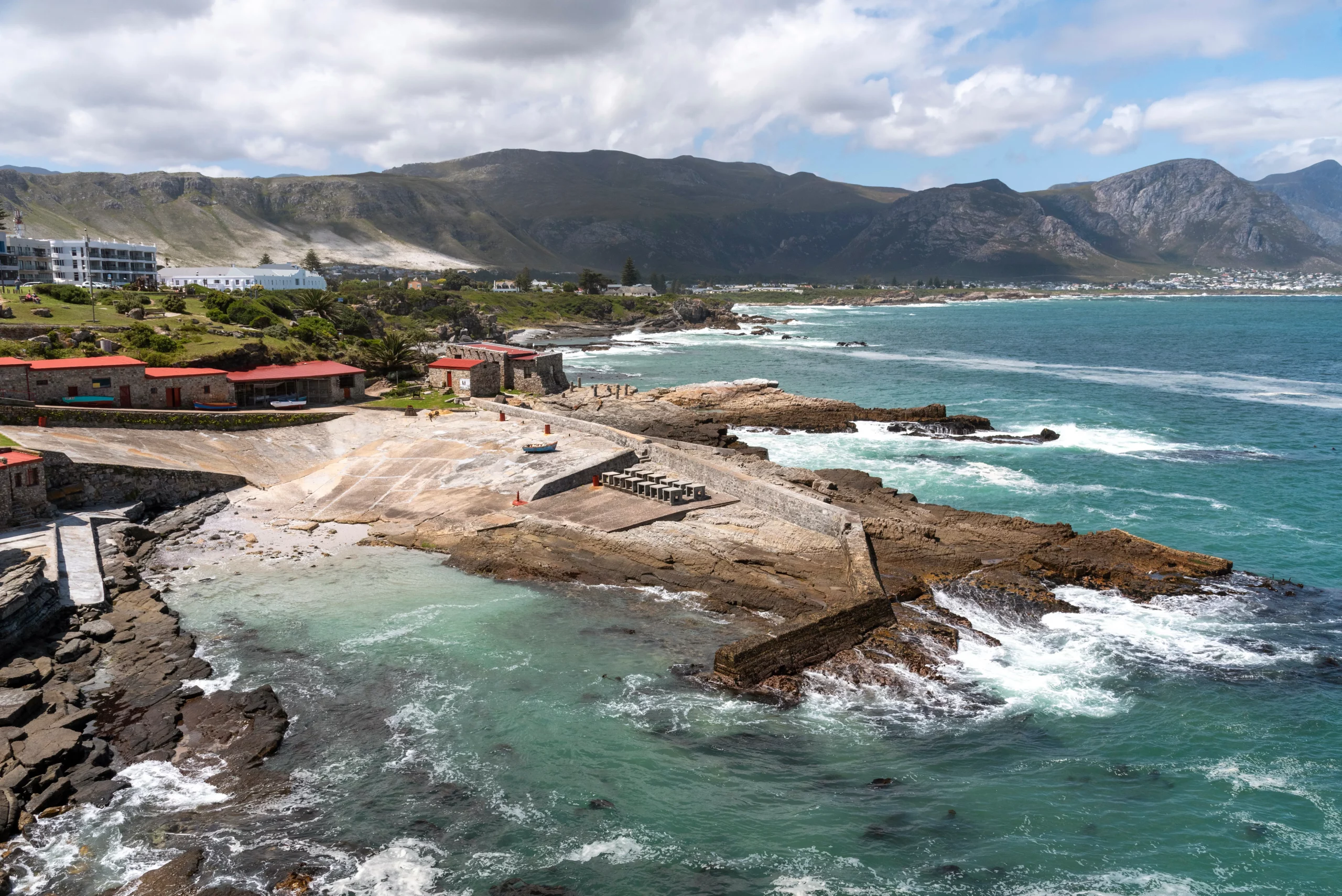
Old Harbour
The stone terracing offers a clear view over the historic fishing vessels and the bay.
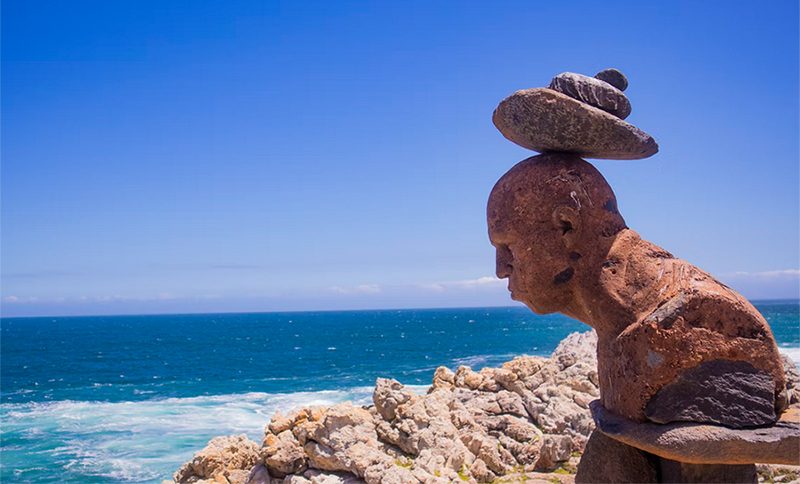
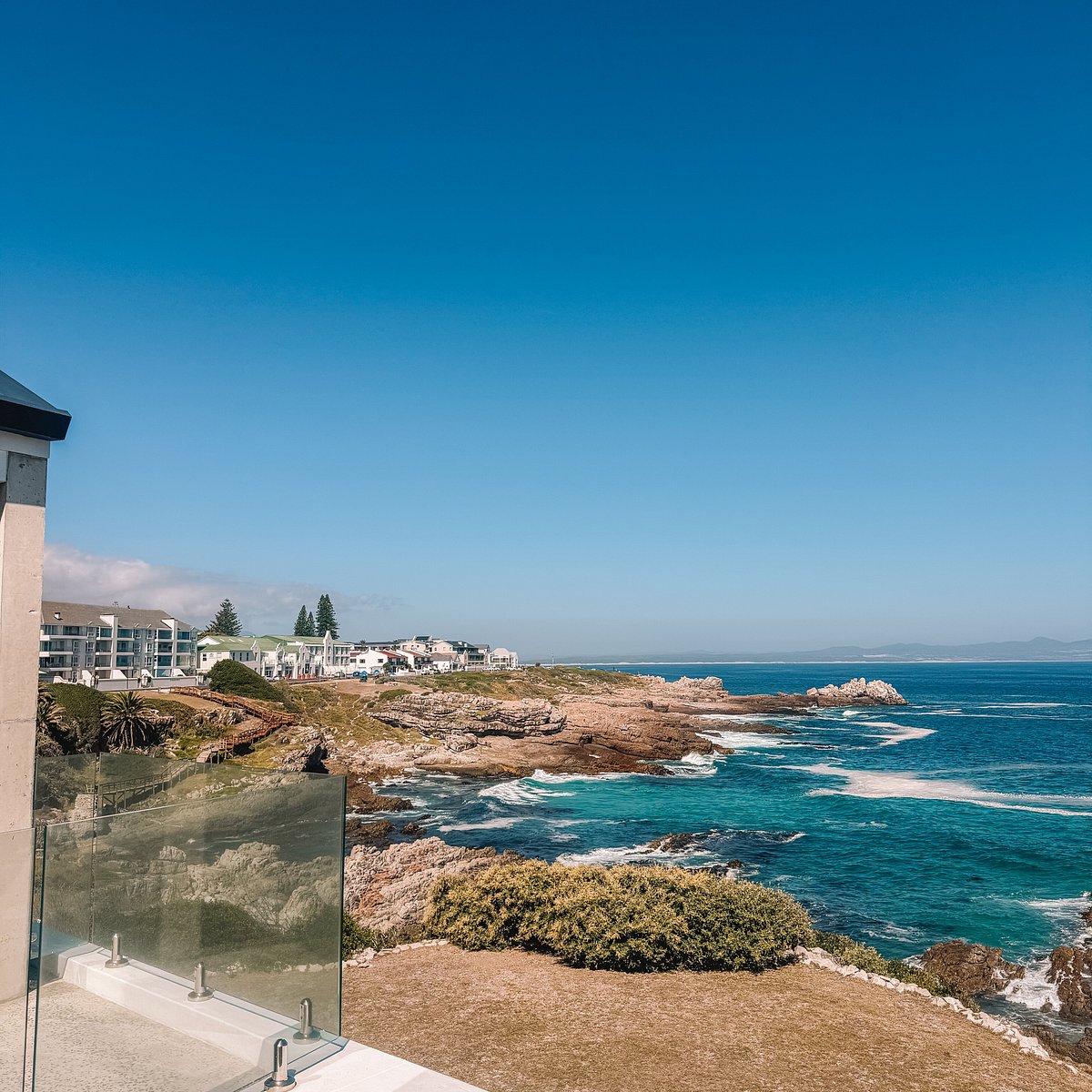
Gearing's Point
A prominent rocky outcrop providing an expansive perspective of the surrounding coastline.
Hoy's Koppie
A slightly elevated vantage point accessible via inland trails overlooking the town and sea.
Sievers Point
A popular stop along the Cliff Path with low-level proximity to the water.
Etiquette for Where to See Whales in Hermanus
The Cliff Path runs through a marine protected area where Southern Right Whales nurse their calves. Respectful behavior minimizes disturbance and ensures whales continue returning to these sheltered bays each winter.
Do
- Keep voices low when whales surface nearby
- Stay on marked pathways to prevent cliff erosion
- Use binoculars instead of approaching the water's edge
- Report entangled or beached whales to local authorities immediately
- Dispose of litter in bins to protect marine habitats
- Respect other visitors' viewing space during peak season
Don't
- Don't use flash photography, which can startle nursing mothers
- Don't throw objects or food into the water
- Don't play loud music or use air horns
- Don't climb over safety railings for closer views
- Don't feed seabirds, as it disrupts natural foraging behavior
- Don't touch or chase any marine animals in tidal pools
Check availability
Frequently Asked Questions: Where to See Whales in Hermanus
Everything you need to know about where to see whales in hermanus